Home/Insurance Services/Farm Insurance

Farm Insurance in Michigan

Coverage built for real farm life.

Farms come with unique risks that don't fit neatly into standard policies. Farm insurance is designed to protect land, equipment, livestock, and operations — with coverage that reflects how farms actually function.
Why Standard Insurance Often Falls Short for Farms

Farms operate at the intersection of home, business, and land — which means risks are layered and constantly changing. Standard homeowners or business policies often don't account for agricultural equipment, livestock exposure, or on-site operations. Farm-specific guidance helps prevent those surprises.

"Gaps most often appear where coverage was assumed to apply — but didn't."

Review My Coverage

land

Coverage Built for Agricultural Life

Farm insurance isn't
homeowners with a barn.

A farm is simultaneously a residence, a place of business, and a working operation. That combination creates a coverage picture that no single standard policy was designed to address on its own.

In working with Michigan farm owners, gaps most often appear not because insurance was absent — but because what was in place wasn't built around how the farm actually operates day to day.

"Farm insurance brings multiple types of protection together under one coordinated approach — land, structures, equipment, livestock, and liability."

What Farm Insurance Is Meant to Protect

01

Farm dwellings & structures.

The farm home, barns, outbuildings, grain bins, and other structures are all part of the operation. Coverage here goes beyond a standard homeowners policy to reflect the realities of agricultural use.

Farm home and attached structures

Barns, machine sheds, and outbuildings

Grain storage and specialty structures

02

Equipment & machinery.

Farm equipment represents significant investment and daily operational need. Coverage decisions should reflect actual value, seasonal use, and how equipment moves on and off the property.

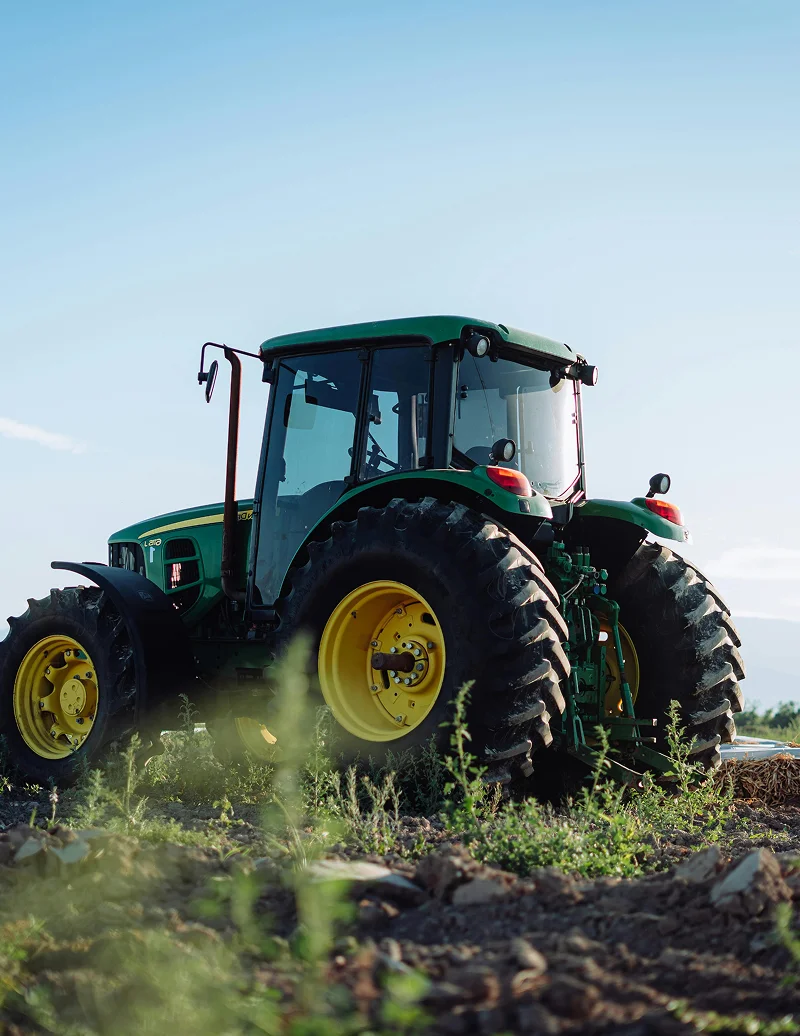
Tractors, combines, and large machinery

Tools and smaller operational equipment

Equipment used off-farm or during custom work

Replacement cost vs. actual cash value considerations

03

Livestock & agricultural assets.

Livestock represent both financial investment and daily operational responsibility. Coverage for animals varies considerably based on species, purpose, and how they're managed — details that matter when a claim occurs.

Cattle, hogs, poultry, and other livestock

Breeding stock and high-value animals

Grain, feed, and stored agricultural products

On-farm produce and seasonal assets

04

Farm liability & on-site risks.

A working farm creates liability exposure that standard personal policies rarely address fully. Guests, employees, contractors, agritourism activities, or roadside operations all carry risk that deserves specific attention.

On-site visitor and guest liability

Employee and contractor-related exposure

Agritourism and on-farm event risks

Custom farming or off-farm operational liability

Front end headlight of white car Front end of blue car driving down the road Medical equipment on laptop Line of parked cars

clarity

Where Farm Coverage Often Gets Complicated

The assumptions that
create unexpected gaps.

01

Assuming homeowners coverage extends to farm use

Many farm owners assume personal property and liability coverage naturally extends to farm equipment, structures, or on-site operations. In most cases, those distinctions matter significantly when a claim occurs.

02

Equipment usage across personal and commercial lines

Equipment used partly for the farm and partly for off-farm or custom work can fall into coverage gray areas. How and where equipment is used affects how claims are handled — details worth clarifying in advance.

03

Side operations and diversified farm activities

Agritourism, farm stands, custom farming, or other diversified activities may introduce liability or property risks that the base farm policy wasn't designed to cover. Addressing them early helps avoid frustration later.

04

Coverage that hasn't kept pace with the operation

Farms grow and change. Equipment values rise, buildings are added, and operations diversify. Coverage that was accurate five years ago may no longer reflect the farm's current scale or risk profile.

These gaps are rarely intentional — they typically result from coverage not being revisited as the farm grows.

Who Benefits Most

Farm guidance is most valuable
for operations that have grown beyond the basics.

Family-owned farms and multi-generation operations

Farms with valuable or specialized equipment

Operations with significant livestock

Farms that have expanded or diversified recently

Owners balancing personal and business risks on the same land

Coverage should evolve as the farm evolves — not stay locked to decisions made when operations were smaller or simpler.

How Farm Insurance Is Put Together

Farm coverage isn't
built from a template.

Land & structures

What's on the land, how it's used, and whether coverage reflects replacement value — not just assessed value.

Equipment value

The current value of machinery and tools, how they're used, and whether off-farm use creates separate coverage needs.

Livestock & assets

Species, purpose, and management practices all affect how livestock coverage is structured and what protections apply.

Liability exposure

On-farm visitors, employees, contractors, and diversified activities each create exposure that deserves specific attention.

How the farm operates

Day-to-day operations, seasonal rhythms, and long-term plans all shape what coverage structure supports the farm best.

Why Local Farm Insurance Guidance Matters

A Michigan advisor who
understands the land.

Farming conditions, regulations, and risks vary across Michigan. Working with a local advisor brings insight into regional considerations and agricultural realities — and a consistent point of contact as operations change over time.

Insight into Michigan agricultural conditions and regulations

Coverage that reflects how the farm actually operates

Ongoing availability as the operation grows or changes

A local Farm Bureau agent with deep agricultural roots

"Michigan farming conditions and regional realities shape what coverage actually needs to do."

Common Questions

Farm insurance questions
Michigan operations ask most.

Needs depend on land, equipment, livestock, and how operations are structured. Most farms require more than standard home coverage — the exact combination depends on what's on the farm and how it's used day to day.

Farm insurance often blends personal, property, and liability coverage in ways that traditional business policies do not. The combination of residence, land, equipment, and operations requires a coordinated approach that neither a standard home nor a commercial policy typically provides alone.

Coverage for equipment used off-farm — including custom work or hired services — depends on how the policy is structured. This is one of the more common areas where assumptions don't match what the policy actually provides.

After equipment purchases, major operational changes, expansion, or shifts in how the farm is used. Coverage that was accurate when it was written may not reflect a farm that's grown, diversified, or changed over time.

This varies — and it's an important detail to verify. Agritourism and on-farm events introduce liability exposure that some farm policies don't cover by default. Addressing it before activity begins is far easier than after a claim.

Protected.

Ready When You Are

Build coverage that supports your farm's future.

Whether reviewing an existing policy or planning for the next phase of your operation, a conversation can help bring clarity and confidence to farm insurance decisions.